June 10, 2026
Hardwood flooring remains one of the most desirable features in residential properties because of its durability, aesthetic versatility, and long service life. Even well-installed floors eventually begin to show signs of age, especially in high-traffic environments where daily use gradually affects the surface finish and overall appearance. In many cases, homeowners assume replacement is the only option, when refinishing is often a more practical and cost-effective solution.
In practice, experienced professionals evaluate a range of surface and structural conditions before recommending refinishing as the appropriate next step. This process restores the wood's appearance while preserving the integrity of the original material, which is one of the reasons it remains a widely recommended maintenance strategy among flooring specialists.
Hardwood flooring contractors frequently assess not only visible wear but also the condition of the protective layers and how the flooring has responded to environmental exposure over time. Their recommendations are typically based on both performance and longevity considerations rather than aesthetics alone.
1. Surface Wear and Finish Degradation Indicators
Visible Surface Damage and Traffic Patterns
Hardwood flooring professionals often recommend refinishing when visible wear patterns begin to form across the floor's surface, particularly in hallways, entryways, and other high-traffic zones. These areas typically experience accelerated abrasion due to constant foot traffic, furniture movement, and general household activity. Over time, the protective finish begins to thin, revealing uneven sheen levels and noticeable dull patches that disrupt the uniform appearance of the floor.
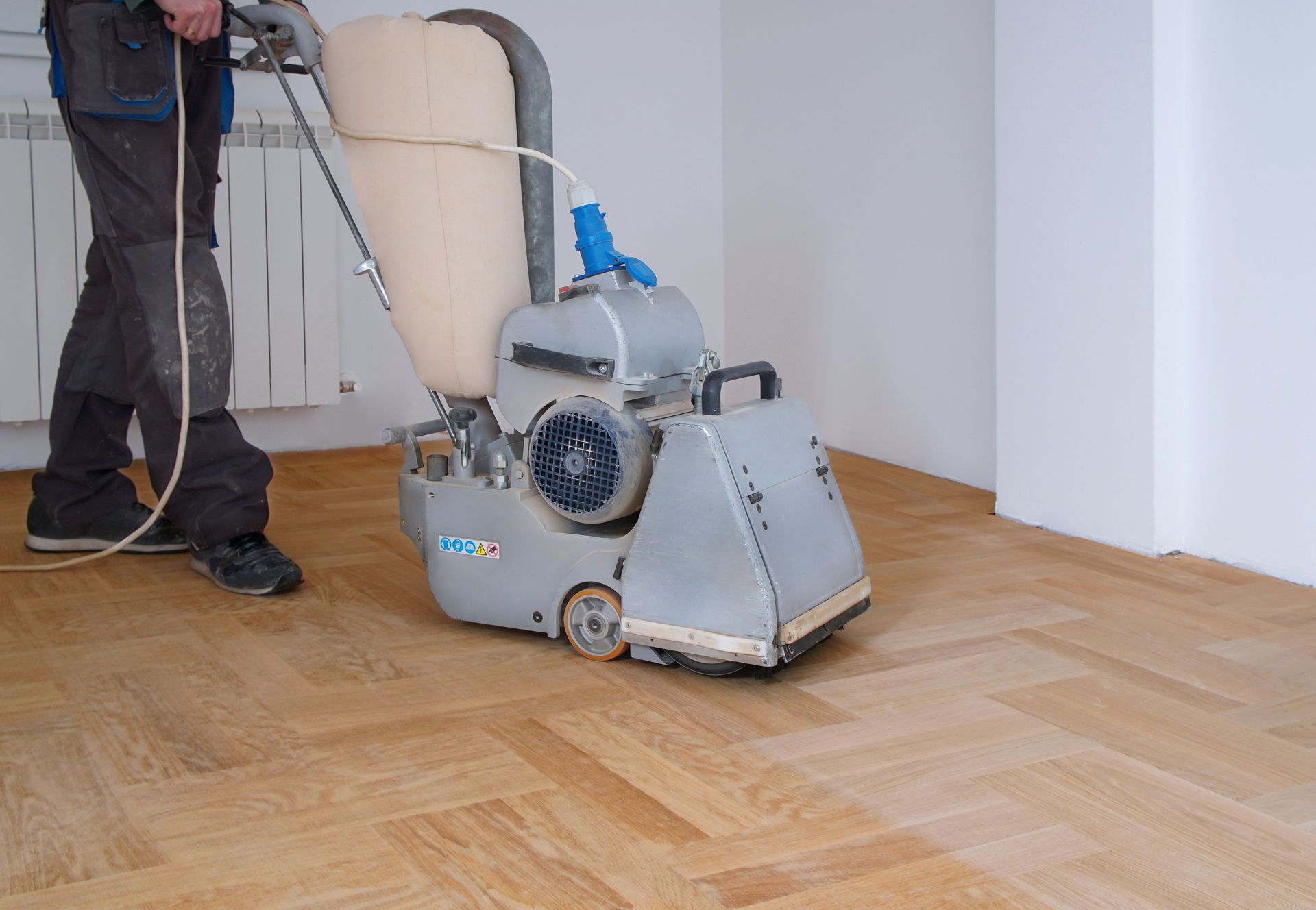
In many cases, refinishing becomes necessary when scratches and scuff marks can no longer be minimized through standard cleaning or buffing techniques. Once the finish layer is compromised, the exposed wood becomes more vulnerable to additional damage, including deeper gouges and texture inconsistencies. Hardwood flooring contractors evaluate whether these marks are surface-level or have penetrated the wood substrate before recommending a full refinishing process. When addressed early, refinishing restores both visual consistency and protective integrity, extending the usable life of the flooring.
Loss of Protective Finish Integrity
A common reason hardwood flooring providers suggest refinishing is the gradual breakdown of the floor's protective coating. This coating serves as a barrier against moisture, dirt, and physical wear, and when it deteriorates, the underlying wood becomes increasingly exposed to damage. Homeowners often notice this issue when floors begin to feel rougher underfoot or when cleaning no longer restores the original shine. In these situations, hardwood flooring contractors typically recommend refinishing to reestablish a durable seal that protects the wood and restores its original smoothness and luster.
Uneven Fading and Sun Exposure Effects
Prolonged exposure to natural light can cause hardwood floors to fade unevenly, especially in rooms with large windows or inconsistent shading. Hardwood flooring experts frequently observe that ultraviolet exposure leads to noticeable color shifts, creating sections of flooring that appear lighter or more washed out than others. This imbalance can make even well-maintained floors look aged or inconsistent.
Refinishing addresses these variations by sanding away the affected surface layer and applying a new stain or finish that restores uniform color distribution. Without intervention, fading tends to become more pronounced over time, making future restoration more complex. Contractors often recommend refinishing in these cases not only to improve appearance but also to reset the floor's surface condition before further deterioration occurs.
2. Moisture Exposure and Structural Surface Concerns
Water Intrusion and Surface Staining
Hardwood flooring contractors often identify moisture-related damage as a key reason for recommending refinishing. When water penetrates the finish layer, it can leave behind dark stains, discoloration, or clouded patches that cannot be removed through standard cleaning methods. These issues are particularly common in kitchens, bathrooms, or areas near entryways where moisture exposure is frequent.
If left untreated, water intrusion can gradually weaken the wood fibers beneath the surface. Refinishing becomes necessary to remove the compromised layer and restore a sealed protective surface. In cases where damage is limited to the finish and upper wood layer, contractors often fully restore the floor's appearance without requiring replacement. This is one of the primary situations where hardwood flooring professionals rely on refinishing as a restorative solution rather than a cosmetic upgrade.
Surface Roughness and Fiber Breakdown
Another issue that leads hardwood flooring contractors to recommend refinishing is the development of rough or splintered textures on the floor's surface. This condition typically results from prolonged wear, moisture exposure, or deterioration of the finish layer that normally keeps wood fibers compact and smooth. When the protective layer erodes, the wood becomes more susceptible to raised grain and minor splintering, which can affect both comfort and safety. In these cases, contractors emphasize refinishing as a preventative step to avoid more extensive structural damage later on.
Allergen Accumulation in Worn Finishes
Over time, worn hardwood finishes can develop micro-abrasions that trap dust, pollen, and other airborne particles. Hardwood flooring experts often highlight this issue when evaluating older floors that have not been refinished in many years. These microscopic surface imperfections are not always visible but can contribute to reduced indoor air quality.
According to the National Wood Flooring Association, hardwood flooring can last up to 100 years when properly maintained, including periodic refinishing that preserves both structure and surface integrity. This longevity is achievable because refinishing removes embedded contaminants and restores a smooth, sealed surface that resists buildup. For households sensitive to allergens, contractors frequently recommend refinishing as part of a broader maintenance strategy to improve cleanliness and extend flooring lifespan.
3. Aesthetic Restoration and Long-Term Value Optimization
Increasing Property Value Through Restoration
Hardwood flooring professionals often recommend refinishing when homeowners are preparing to sell or upgrade their living space because restored floors significantly enhance perceived property value. Freshly refinished hardwood creates a polished, well-maintained appearance that appeals strongly to potential buyers and contributes to a more cohesive interior presentation.
Instead of replacing existing flooring, refinishing allows homeowners to preserve the original material while achieving a like-new appearance. This approach is especially valuable in real estate contexts where visual impact plays a major role in buyer perception. Contractors emphasize that refinishing is one of the most cost-effective ways to improve home value without undergoing major renovation work. In this context, hardwood flooring contractors position refinishing as both a cosmetic and financial improvement strategy.
Updating Stain Color for Modern Design
Design preferences constantly evolve, and older flooring tones may no longer align with current interior styles. Hardwood flooring experts frequently recommend refinishing when homeowners want to adjust stain color without replacing the flooring entirely. This process allows for a wide range of customization, from lighter contemporary tones to deeper, more traditional finishes. By sanding the surface and applying a new stain, contractors can completely transform the visual character of a room. This flexibility makes refinishing particularly appealing for homeowners undergoing partial renovations or redecorating efforts.
Cost Efficiency Compared to Replacement
One of the most practical reasons hardwood flooring contractors recommend refinishing is its cost efficiency relative to full floor replacement. Replacing hardwood involves material costs, labor, and potential subfloor preparation, all of which significantly increase project expenses. Refinishing, by contrast, restores the existing flooring structure and requires fewer materials while still delivering substantial visual and functional improvement.
This approach is particularly beneficial for floors that remain structurally sound but show surface-level wear. Contractors evaluate whether the wood thickness and condition are suitable for sanding and refinishing before making recommendations. In many cases, refinishing extends the life of the floor by decades, making it a highly economical maintenance solution compared to replacement.
Hardwood flooring continues to be valued for its durability, appearance, and long-term performance, but even the highest-quality installations require maintenance to preserve their condition. Refinishing plays a central role in extending the life of these floors while restoring their original visual appeal and protective surface characteristics.
Across different types of wear, moisture exposure, and aesthetic changes, refinishing offers a practical solution that avoids unnecessary replacement while maintaining structural integrity. Ultimately, hardwood flooring contractors rely on these assessments to determine when restoration is more appropriate than installation of new materials, ensuring homeowners receive solutions tailored to both condition and long-term value. If you're interested in hardwood floor refinishing, be sure to contact Ozark Flooring!